Is My Online Partner a Scammer? Key Red Flags
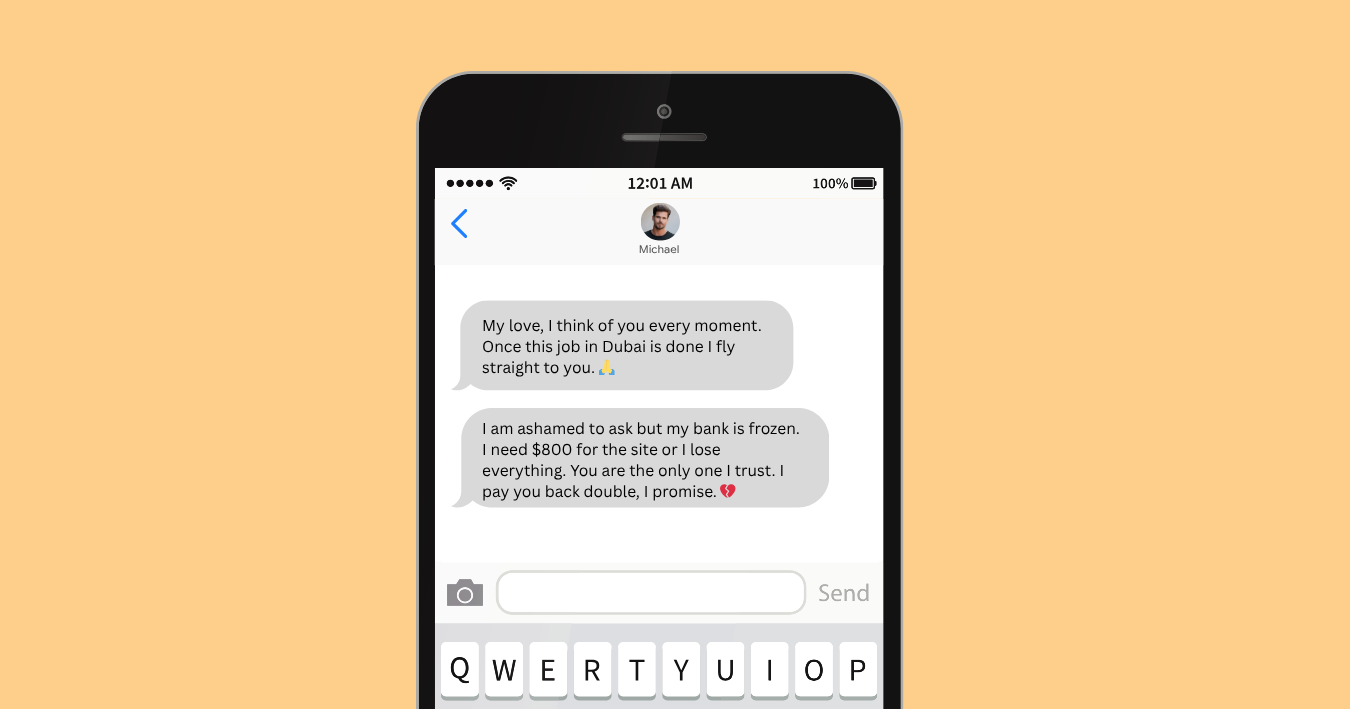
Your online partner may be a scammer if they refuse to video chat or meet in person, declare love unusually fast, ask for money or gift cards, want to move off the dating app quickly, claim to work remotely overseas, tell inconsistent stories, or pressure you to invest in cryptocurrency.
If you are reading this, something about your online relationship feels off. Maybe you cannot explain exactly what it is. Maybe your partner said something that did not quite add up, or someone you trust expressed concern. Maybe the relationship has been intense, emotional, and wonderful — but a quiet voice keeps asking whether it is real.
Trusting that voice is the right first step. Romance scams are designed to feel real. That is what makes them effective. But they also follow predictable patterns, and those patterns are your best tool for separating a genuine connection from a carefully constructed online dating scam.
Here are the seven most reliable red flags. If your online partner shows even two or three of these signs, take them seriously.
Red Flag 1: They Refuse to Video Chat or Meet in Person
This is the single most important red flag. If someone you have been talking to for weeks or months consistently avoids showing their face on a live video call or meeting you in person, there is a reason.
Common excuses include a broken camera, poor internet connection, working in a remote location, being too shy, or claiming the timing is never right. Catfishing scammers will invent any excuse to avoid being seen in real time because their photos are stolen from someone else's social media.
A person who is genuinely interested in building a relationship with you will find a way to video chat. If they will not, treat it as a serious warning.
Red Flag 2: They Declared Love Unusually Fast
Scammers use a tactic called love bombing, showering you with intense affection, constant messages, and declarations of deep love within days or weeks of first contact. They may talk about marriage, moving in together, or building a future before you have even spoken on the phone.
Real relationships develop gradually. Strong feelings early on are not inherently suspicious, but combined with other red flags on this list, an unusually rapid emotional escalation is a hallmark of romance scam scripts. The scammer needs to build emotional dependency quickly so you will be less likely to question them when the financial requests begin. To understand exactly what these scripts sound like, see our guide on common romance scam scripts.
Red Flag 3: They Asked for Money or Gift Cards
This is the clearest line between a genuine partner and a scammer. No legitimate romantic partner you have never met in person will ask you to send money, buy gift cards, or make financial transfers of any kind.
The request usually comes after weeks of emotional investment. Common stories include medical emergencies, travel expenses to come visit you, legal fees, business problems, or help with a temporary financial hardship. The framing is always that this is temporary, that they will pay you back, and that it is a test of your commitment to the relationship.
If your online partner has asked for money or gift cards, the probability that this is a romance scam is extremely high. Learn exactly why scammers prefer gift cards in our full guide: Romance Scam Gift Cards: Why They Ask and What to Do.
Red Flag 4: They Want to Move Off the Dating App Quickly
Scammers prefer to communicate through private channels like WhatsApp, Telegram, or personal email rather than through the dating platform where you met. Dating platforms have fraud detection systems that monitor for scam patterns, and moving the conversation off-platform removes that layer of protection.
While it is normal for real relationships to eventually move off dating apps, a scammer will push for this transition very early, sometimes within the first few messages. They may claim the dating app is unreliable, that they are about to delete their account, or that they prefer a different platform.
Red Flag 5: They Claim to Work Remotely Overseas
One of the most common romance scam personas involves someone who claims to live in your country but is temporarily working abroad. Frequent cover stories include military deployment, oil rig engineering, overseas construction projects, international medical volunteering, or maritime work on cargo ships.
These personas serve a specific purpose: they explain why your online partner cannot meet you in person, why they might have unusual schedules, and why they might need financial help. The overseas work story is a framework that makes every other element of the scam more plausible.
Red Flag 6: Their Stories Are Inconsistent or Vague
Scammers managing multiple victims simultaneously often confuse details. Dates, locations, family member names, job specifics, and personal history may shift or contradict across different conversations.
Watch for vague answers to specific questions. If you ask what city they are in and they give a country instead, or if you ask about their job and they stay general rather than specific, they may be avoiding details that could be verified or that they might contradict later. A pattern of inconsistencies is much harder to explain away than a single misstatement.
Red Flag 7: They Want You to Invest
A newer variant of romance scams, sometimes called pig butchering, involves the scammer steering the relationship toward cryptocurrency or investment opportunities. After building trust, they introduce a fake investment platform, often showing you dashboards with impressive returns.
Any online partner who encourages you to invest money, especially in cryptocurrency, foreign exchange, or an unfamiliar platform, is following a well-documented fraud playbook. This is true even if they claim to have invested their own money alongside yours.
How to Verify If Your Online Partner Is Real
If you have spotted one or more of these online dating scam red flags, these verification steps can help you determine whether you are dealing with a real person.
Do a reverse image search. Save your online partner's profile photos and search them on Google Images or TinEye. If the same photos appear on other profiles with different names, the images are stolen.
Ask for a specific selfie. Request a photo of your partner doing something specific right now, such as holding up three fingers or holding a piece of paper with today's date. A real person can do this in seconds. A scammer using stolen photos cannot.
Check anti-scam databases. Search their name, email address, or phone number on sites like ScamWarners, Romance Scams Now, or Social Catfish. Many known scammer profiles are catalogued in these databases.
Check messages with Scamwise. Copy a few of your partner's messages and check them with Scamwise. The tool identifies language patterns commonly associated with romance scam scripts.
Not Sure? Check It With Scamwise
If you are still uncertain after reviewing the red flags and running verification checks, Scamwise can help. Paste the suspicious messages, describe the situation, and get a clear assessment of whether what you are experiencing matches known romance scam patterns. It is free, private, and could save you from significant harm.
What to Do If You Confirm It Is a Scam
Stop all contact immediately. Do not confront the scammer. Simply stop responding and block their number and accounts.
Document everything. Screenshot all conversations, profile information, and payment receipts before the scammer can delete their accounts.
Report the scam. File reports with the dating platform, the FTC at ReportFraud.ftc.gov, and the FBI's Internet Crime Complaint Center at ic3.gov. These reports help law enforcement track romance scam networks.
Protect your finances. If you sent money, contact your bank or payment provider immediately. Change passwords on any accounts the scammer may have learned about.
Seek support. Being victimized by an online dating scam is an emotionally painful experience. See our guide on how to help a loved one caught in a romance scam, or visit our Romance Scams hub for more resources. Falling for a romance scam does not reflect your intelligence — these operations are run by professionals who exploit universal human emotions. If you are an older adult or know one who may be targeted, see our guide on why seniors are increasingly targeted by romance scams.
Frequently Asked Questions About Online Dating Scams
How do I know if my online partner is a scammer?
The strongest indicators are refusing to video chat or meet in person, unusually rapid declarations of love, requests for money or gift cards, pressure to move off the dating platform, claims of working overseas, inconsistent stories, and attempts to get you to invest. If your online partner shows two or more of these signs, investigate further before continuing the relationship.
Is it always a scam if someone I met online asks for money?
Asking for money from someone you have never met in person is one of the most reliable indicators of a romance scam. No legitimate romantic partner should ask you to send money, buy gift cards, or make financial transfers before you have met face to face. This is true regardless of the story behind the request.
How can I verify if an online dating profile is real?
Run a reverse image search on their profile photos using Google Images or TinEye. Ask for a specific real-time selfie. Search their name and contact information on anti-scam databases. If they claim a specific profession, verify it through independent channels. Use Scamwise to check their messages against known scam patterns.
What should I do if I already sent money to someone I think is a scammer?
Stop all contact immediately. Contact your bank or payment provider to report the fraud and attempt recovery. File reports with the FTC at ReportFraud.ftc.gov and the FBI IC3 at ic3.gov. Document all evidence. Be cautious of anyone who contacts you offering to recover the lost funds for a fee — this is a common follow-up scam.
Why won't my online partner video chat with me?
Refusing to video chat is one of the strongest red flags in an online relationship. Most scammers use stolen photos and cannot appear on a live video call without revealing they are not who they claim to be. Common excuses include a broken camera, poor connection, or an inconvenient time zone. A genuine online partner will find a way to video chat. If yours consistently avoids it, treat it as a serious warning sign of an online dating scam.

Related Articles
.png)
.png)
You can't always be there. Savi can.