Scam Likely
“Scam Likely” is a warning label used by phone carriers to indicate that an incoming call may be associated with scam activity or robocalls. The label is based on call patterns and reports, not on the caller’s identity alone.
What Does “Scam Likely” Mean?
“Scam Likely” is a screening feature used by many mobile carriers to help reduce unwanted and fraudulent calls. When a call is flagged, it means the number or calling pattern matches activity commonly reported as scams or robocalls.
Importantly, the label is a risk indicator—not a guarantee. It’s designed to help you decide whether to answer, ignore, or verify the call safely.
How “Scam Likely” Shows Up in Real Life
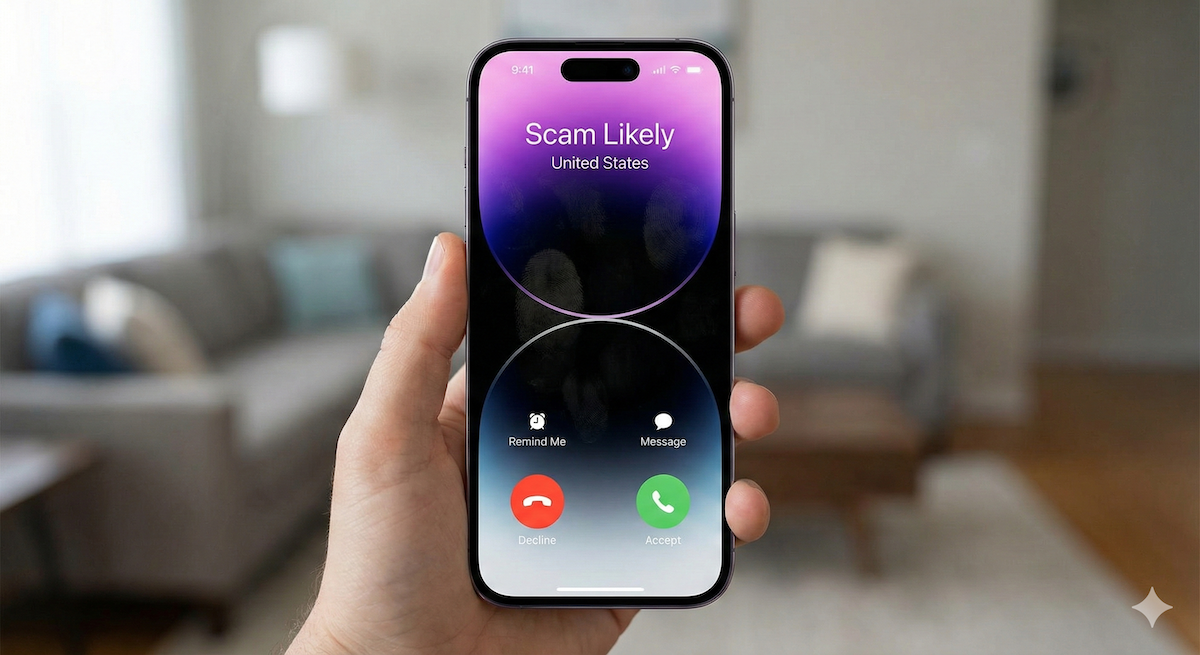
When your phone rings, instead of a name or number you may see:
- “Scam Likely”
- “Potential Scam”
- “Spam Risk”
This can feel unsettling—especially if you’re waiting for an important call from a doctor, delivery service, or business. The label doesn’t mean the call is 100% dangerous, but it does mean extra caution is warranted.
Common Types of Calls Labeled “Scam Likely”
Calls flagged as “Scam Likely” often include:
- Robocalls using automated or prerecorded messages
- Impersonation-style calls, such as fake bank or tech support calls
- Spoofed numbers that appear local or familiar but are linked to scam activity
- High-volume calling patterns, where the same number contacts many people in a short time
Because scammers frequently change numbers and use spoofing, legitimate calls can occasionally be mislabeled.
Why This Matters for Scam Awareness
Scam calls rely on surprise and pressure. Answering, even briefly, can:
- Expose you to manipulation or urgent demands
- Lead to requests for personal or financial information
- Confirm that your phone number is active, which may increase future scam calls
Understanding what “Scam Likely” means helps you pause instead of reacting, which is one of the most effective scam-prevention habits.
How to Tell If a “Scam Likely” Call Is Important
If a call labeled “Scam Likely” is legitimate:
- The caller will usually leave a voicemail
- The message will include specific, verifiable details
- You’ll be able to call back using a number you find independently
Scammers often avoid voicemail or leave vague messages designed to push you into calling back immediately.
How to Protect Yourself
- Let “Scam Likely” calls go to voicemail
- Do not press buttons or respond if you accidentally answer
- Block and report repeat numbers when possible
- Verify urgent claims independently using official phone numbers or websites
- Use a trusted free scam check website like Scamwise to review suspicious messages, calls, or emails before responding
If a call claims to be from a bank, government agency, or service provider, contact them directly using a number from a statement, app, or official website.
FAQs
What does “Scam Likely” mean on my phone?
It’s a warning label from your phone carrier indicating the call matches patterns commonly associated with scam or robocalls.
Are “Scam Likely” calls always scams?
No. The label isn’t perfect, and legitimate calls can sometimes be flagged. However, most calls labeled “Scam Likely” are suspicious.
Should I answer a “Scam Likely” call?
It’s generally safer not to answer. If the call is important, the caller can leave a voicemail that you can verify safely.
Can scammers fake the “Scam Likely” label?
No. The label is applied by your carrier, but scammers can spoof phone numbers, which is why verification matters.
You can't always be there. Savi can.