Neighbor Spoofing
Neighbor spoofing is a phone scam tactic where scammers fake local-looking phone numbers, often matching your area code and exchange (the first few digits after the area code) , to make calls appear familiar. This tactic increases the likelihood that a call is answered, allowing scammers to begin impersonation or fraud attempts.
What Is Neighbor Spoofing?
Neighbor spoofing is a phone scam tactic where callers fake or "spoof" a phone number to match your area code, and often the first few digits of your own number, so the call appears local or familiar. Scammers use this technique to increase the chance that someone will answer the call.
Neighbor spoofing is a specific form of caller ID spoofing focused on locality.
Instead of using a random or blocked number, scammers manipulate caller ID so the number:
- Shares your area code
- Often matches the first few digits (exchange) of your own phone number
- Appears to come from your city or immediate area
Because the number looks familiar, people are more likely to answer, even if they don’t recognize it.
For example: If your phone number is (203) 866-9023 (as an example), you might receive scam calls from spoofed numbers that also start with 203 and even 203-866, making the call look especially familiar.
How Neighbor Spoofing Shows Up in Real Life
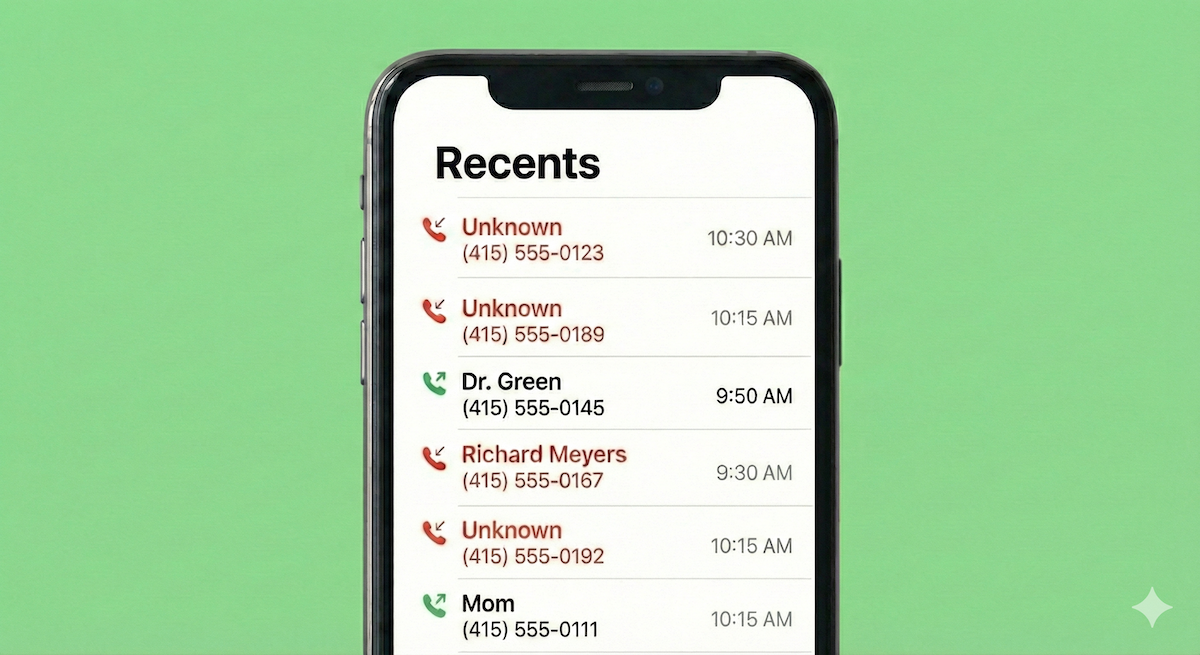
People often encounter neighbor spoofing through:
- Calls from numbers that look almost identical to their own
- Repeated calls from different local-looking numbers, either in your area code or a nearby one
- Missed calls from nearby numbers that don’t leave voicemails
Local numbers are commonly associated with schools, doctors’ offices, neighbors, or small businesses. Assuming a call might be legitimate in these situations is completely understandable.
How Neighbor Spoofing Is Used in Scams
Neighbor spoofing is rarely the scam itself. It’s a setup tactic used to get a call answered.
Once the call is picked up, scammers may:
- Launch a vishing (voice phishing) attempt
- Impersonate a bank, utility company, or government agency
- Play an automated robocall message
- Pressure the recipient to share information, verification codes, or send money
The local-looking number helps lower skepticism long enough for the scam to begin.
Common Scams That Use Neighbor Spoofing
Neighbor spoofing can be adapted to nearly any phone-based scam.
Some commonly reported examples include:
- Vishing scams, where callers pretend to be banks, support teams, or authorities
- Robocall scams, using automated messages with local-looking numbers
- Impersonation scams, relying on familiarity to establish trust
- Follow-up scams, where repeated local calls are used to increase pressure
These examples aren’t exhaustive. Any scam that depends on getting a call answered can use neighbor spoofing.
Why Neighbor Spoofing Is Effective
Neighbor spoofing works because people are conditioned to treat local numbers differently.
A call that looks local can:
- Feel safer than an unknown or blocked number
- Trigger curiosity (“Who is calling me? Maybe it's a friend who got a new number, or maybe it's the kids' school?)
- Bypass call-screening habits
- Increase the likelihood of answering without verification
That initial moment of trust is exactly what scammers are trying to create.
How to Reduce the Risk of Neighbor Spoofing
- Don’t trust a call just because the number looks local
- Let unfamiliar numbers go to voicemail
- Be cautious about calling back missed local numbers you don’t recognize
- If an unknown caller turns out to be legitimate, save the number as a contact for easier recognition in the future.
- Hang up if a caller pressures you or asks for sensitive information
- Block repeated suspicious calls when possible
- You can also use a free scam checker like Scamwise (scamwise.com) to review suspicious calls or messages before responding
Remember, legitimate local callers will usually leave a voicemail or follow up through another channel.
FAQs
What is neighbor spoofing?
Neighbor spoofing is when scammers fake a phone number to match your area code and often the first few digits of your own number so the call appears familiar.
Why do scam calls use numbers similar to mine?
Because people are more likely to answer calls that look local or familiar, even if they don’t recognize the exact number.
Should I call back a missed local number?
If you don’t recognize the number and no voicemail was left, it’s safer to wait rather than calling back. Alternatively, you can look up the number and see if associated with an official website or business that you're expecting a call from.
You can't always be there. Savi can.