Romance Scam
A romance scam is a type of fraud where someone pretends to form a romantic or emotional relationship online in order to gain trust and eventually steal money, financial access, or personal information.
What Is a Romance Scam?
A romance scam is a type of fraud in which someone pretends to form a romantic or emotional relationship online in order to gain trust and eventually steal money, financial access, or personal information.
Romance scams are among the most financially damaging consumer fraud categories. According to the FBI’s 2024 Internet Crime Complaint Center (IC3) Annual Report, Confidence/Romance scams resulted in nearly 18,000 complaints and almost $700 million in reported losses in the U.S. in a single year.
What Romance Scams Look Like in Real Life

A romance scam often starts with friendly conversation on a dating site, social media platform, or messaging app. Over time, the person may express strong feelings, move the conversation off the platform, and share personal stories to build closeness and trust.
Feeling emotionally invested or hopeful is completely understandable—romance scams are designed to feel genuine and scammers often spend weeks or months building relationships before introducing financial requests.
Common Examples of Romance Scams
Romance scams commonly involve:
- Requests for money tied to emergencies, travel delays, medical bills, or job-related problems
- Investment opportunities introduced by a romantic partner, often involving cryptocurrency or “guaranteed” returns
- Promises to meet in person that are repeatedly delayed due to sudden crises
- Requests for secrecy, discouraging victims from talking to friends or family
The FTC reports that romance scams frequently involve repeat or escalating requests, with losses increasing over time as trust deepens.
Who Romance Scammers Typically Target
Romance scammers don’t target people at random. Reports show certain groups are disproportionately affected:
- Online daters: Dating apps and social platforms are the most common entry points for romance scams.
- Middle-aged and older adults: While younger users may receive more outreach, adults over 40 often experience significantly higher financial losses and thus are common targets, according to FBI IC3 data.
- Single, divorced, or widowed individuals: Scammers frequently exploit emotional vulnerability following major life changes, a trend documented by AARP.
- People experiencing loneliness or isolation: Emotional connection is a core manipulation tactic, making socially isolated individuals more vulnerable.
While romance scammers may focus on these groups, like with most scams, anyone can be targeted.
Warning Signs of a Romance Scam
Common red flags include:
- Rapid expressions of love or commitment early in the relationship, known as “love bombing”
- Pressure to move conversations off dating platforms quickly
- Refusal or repeated excuses to avoid video calls or in-person meetings
- Requests for money, gift cards, cryptocurrency, or financial access
- Requests for secrecy or discouraging outside opinions

The FBI and FTC both emphasize that urgency, secrecy, and emotional pressure are consistent warning signs in romance scams.
The Damage of Romance Scams
Romance scams can cause significant financial loss, identity theft, and long-lasting emotional harm. Because these scams often unfold gradually, victims may be deeply invested before realizing something is wrong.
According to the Federal Trade Commission and the FBI, romance-related scams tend to result in higher median financial losses than many other forms of consumer fraud, largely because scammers build trust and emotional dependence before ever asking for money.
How to Protect Yourself From Romance Scams
Romance scams build on emotional trust to drive financial exploitation. These steps focus on preventing loss once a relationship or conversation becomes more serious.
Be cautious about moving off platforms
Scammers often push conversations away from dating apps or social platforms to private messaging services where reporting and moderation are harder. Staying on-platform longer helps preserve safeguards.
Never send money or financial access
Avoid sending money, gift cards, cryptocurrency, bank details, or account access to anyone you haven’t met and verified in real life. Legitimate romantic partners will not ask for financial help early in a relationship.
Watch for financial or investment pivots
Romance scammers frequently introduce “investment opportunities,” especially involving cryptocurrency or foreign trading platforms. Pressure to act quickly or promises of guaranteed returns are major red flags.
Don’t ignore repeated delays or crises
Promises to meet in person that are repeatedly postponed—often due to sudden emergencies or financial setbacks—are a common tactic used to justify requests for money.
Break secrecy early
Requests to keep the relationship or financial conversations private are a warning sign. Scammers rely on isolation to maintain control and prevent outside input.
Save evidence and report suspicious behavior
If something feels off, keep messages, usernames, and payment requests. Report suspicious accounts to the platform, and consider reporting the incident to the FTC or FBI if money is requested or sent.
Check messages before acting
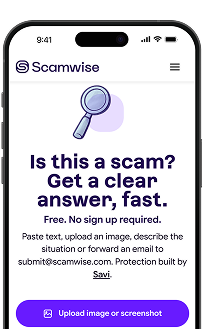
Before responding to requests involving money, urgency, or personal information, use a trusted free scam checker like Scamwise to review the message.
FAQs
What is a romance scam?
A romance scam is when someone pretends to form a romantic relationship online to gain trust and steal money or personal information.
Where do romance scams usually start?
They often begin on dating sites, social media platforms, or messaging apps.
What should I do if I think I’m talking to a scammer?
Stop contact immediately, do not send money or information, and report the account to the platform. If money was sent, contact your bank as soon as possible.
You can't always be there. Savi can.