Recovery Scam
A recovery scam is when someone claims they can help you recover money or assets you lost to a scam, but their goal is to take more money or personal information. Recovery scammers often contact people who have recently been victimized.
What Is a Recovery Scam?
A recovery scam takes advantage of the aftermath of a scam—when someone is understandably looking for answers, help, or a way to undo what happened. Scammers exploit that hope by offering fake recovery services that don’t actually exist.
These scams are especially harmful because they often come after financial loss and emotional stress, making them harder to recognize and easier to believe.
How Recovery Scams Show Up in Real Life
Recovery scammers may contact people through:
- Phone calls claiming to be investigators or fraud specialists
- Emails or texts offering help recovering lost funds
- Social media messages from accounts posing as “support” or “refund” services
- Online posts or ads promising scam recovery, especially related to cryptocurrency
They may say they can track the original scammer, reverse a transaction, or unlock frozen funds, usually if you pay a fee or provide account information.
Common Recovery Scam Scenarios

Recovery scams often appear as “help,” but usually involve pressure or payment requests. Common examples include:
- Cryptocurrency recovery scams
Claims that lost crypto can be retrieved for an upfront fee or “processing cost.” - Refund or chargeback assistance scams
Offers to help recover money from banks or payment apps in exchange for payment details or remote access. - “We found your money” messages
Messages saying funds have already been located, but require fees, taxes, or identity verification to release them. - Fake legal or investigative services
Scammers posing as lawyers, law enforcement, or recovery firms with official-sounding language.
For example, you may see a message like:
Email message: “Good news—we’ve identified the wallet connected to your scam loss. To complete the recovery process, a small release fee is required within 24 hours.”
Remember, real banks, law enforcement, and government agencies do not charge fees to recover funds or demand payment to “release” money.
Why Recovery Scams Are Especially Harmful
Recovery scams can:
- Cause additional financial loss
- Lead to identity theft or account takeover
- Increase stress, shame, or self-blame
If someone falls for a recovery scam, it doesn’t mean they were careless. These scams are intentionally designed to sound helpful and authoritative at a vulnerable moment.
How to Protect Yourself
- Be cautious of unsolicited offers to recover money
- Do not pay upfront fees to release, unlock, or process funds
- Never share bank details, passwords, or one-time codes
- Contact your bank or payment provider directly using official contact information
- Talk with a trusted family member or caregiver before taking action
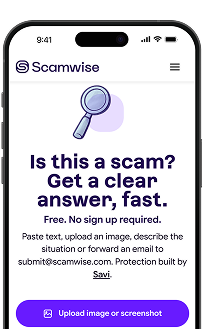
- Use a trusted free scam checker like Scamwise to review suspicious messages, calls, or emails before responding
If money or personal information was involved, consider reporting the situation to the FTC or the FBI’s Internet Crime Complaint Center (IC3).
FAQs
What is a recovery scam?
A recovery scam is when someone claims they can help you get money back after a scam, but is actually trying to steal more money or personal information.
Why do recovery scammers target people who were already scammed?
They assume the person may still be searching for help or hoping for a solution, making urgent promises easier to believe.
Can real companies help recover scam losses?
Banks or payment providers may be able to help in limited cases, but legitimate organizations do not charge upfront fees or guarantee recovery.
What should I do if someone offers to recover my money?
Treat unsolicited offers with caution. Contact your bank or payment provider directly, and consider reporting the situation to the FTC or IC3.
You can't always be there. Savi can.